Garden Flowers: Photos and Names of 22 Popular Types
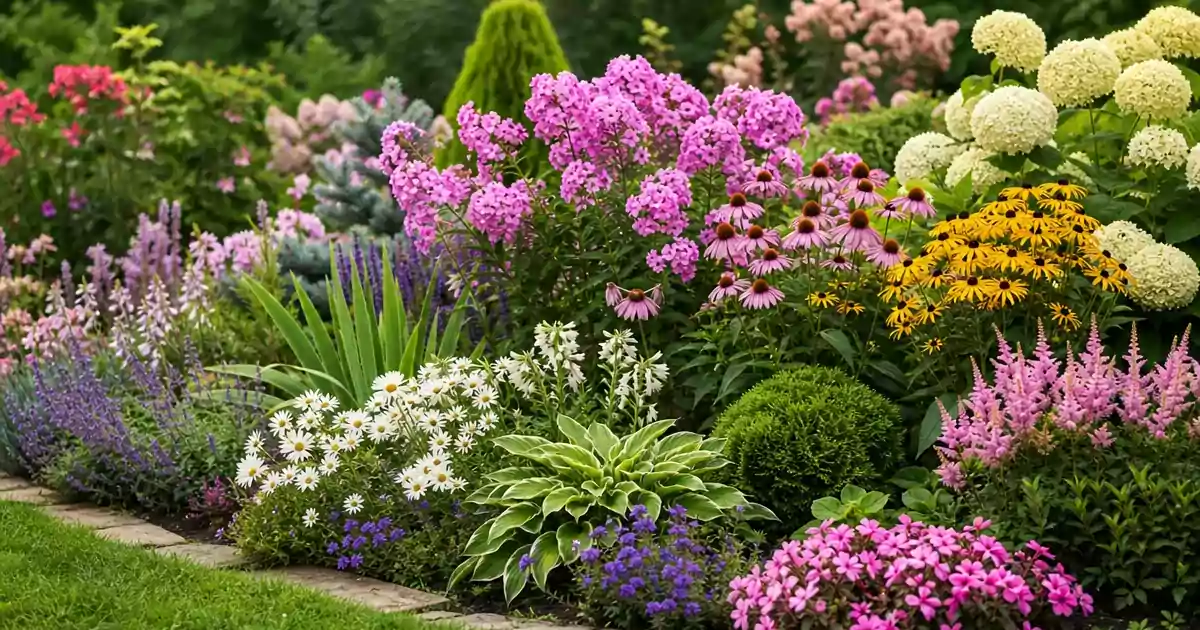
Planning a flowerbed or trying to name a flower from next door? Here are 22 of the most popular garden flowers with photos and names: perennials that return every year, annuals for a bright summer, bulbs for spring and autumn, flowering shrubs and climbers, with bloom times, growing conditions and links to detailed guides.
More on this topic: flowers that bloom all summer, flowers for shade, continuous-bloom flowerbed.
Peony (perennial)
Lush, fragrant blooms in May–June; a plant lasts decades in one spot. Sun, fertile soil. More: peonies.
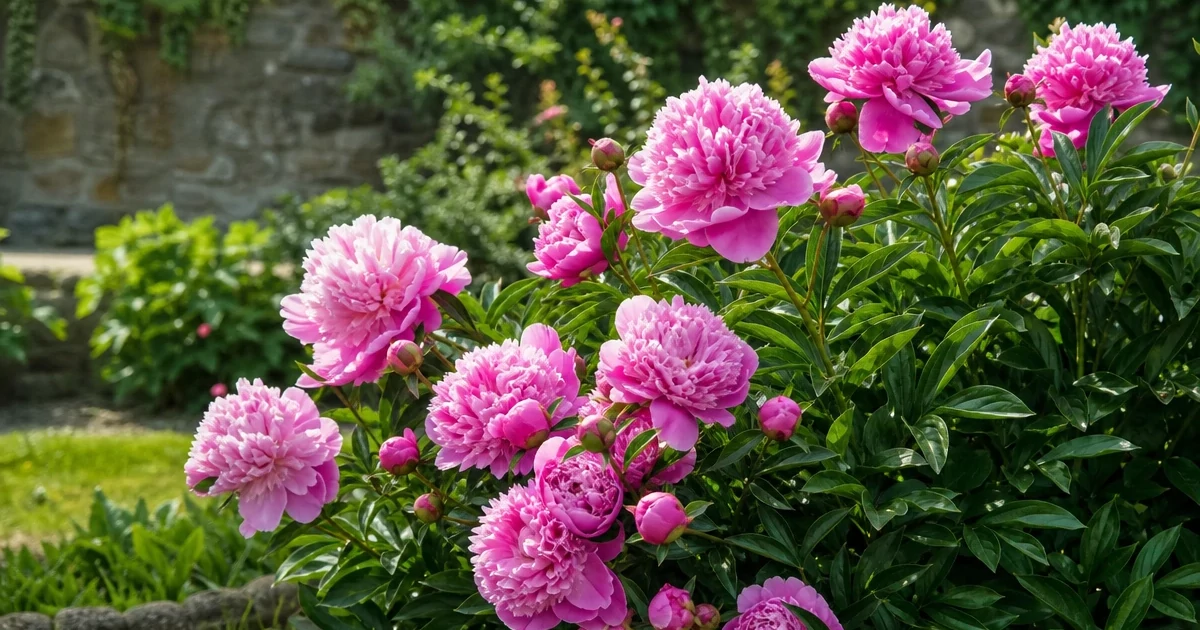
Iris (perennial)
Elegant flowers in every colour in May–June; bearded irises like sun and dryish soil. See irises.
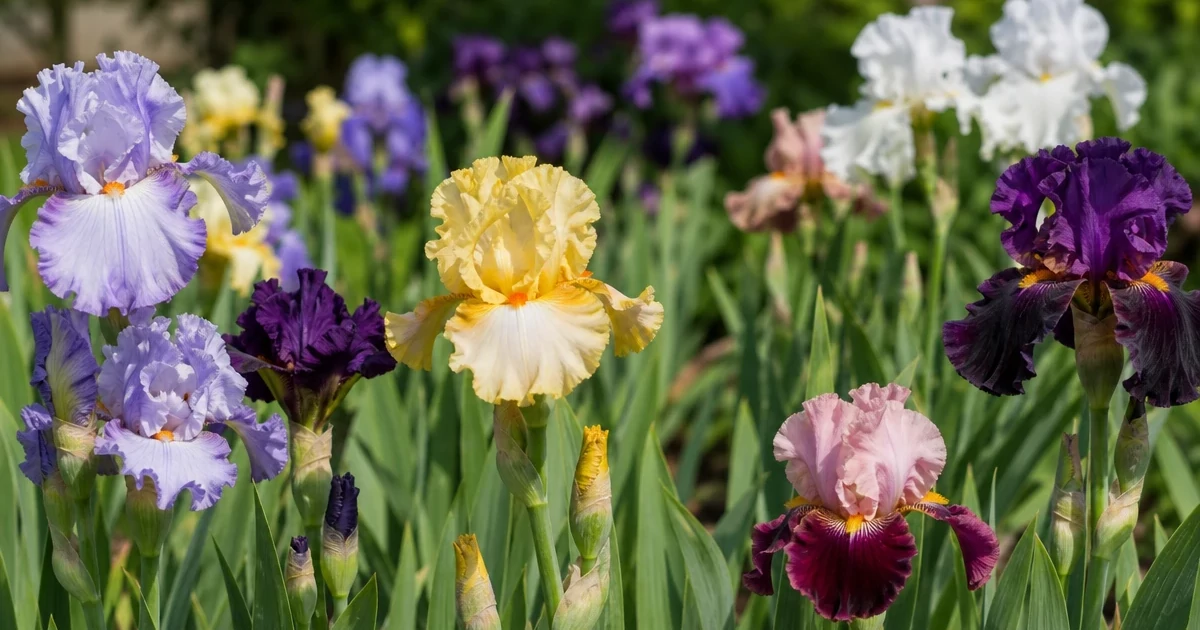
Daylily (perennial)
Each flower lasts a day, but the plant blooms for weeks in summer; tough and adaptable.
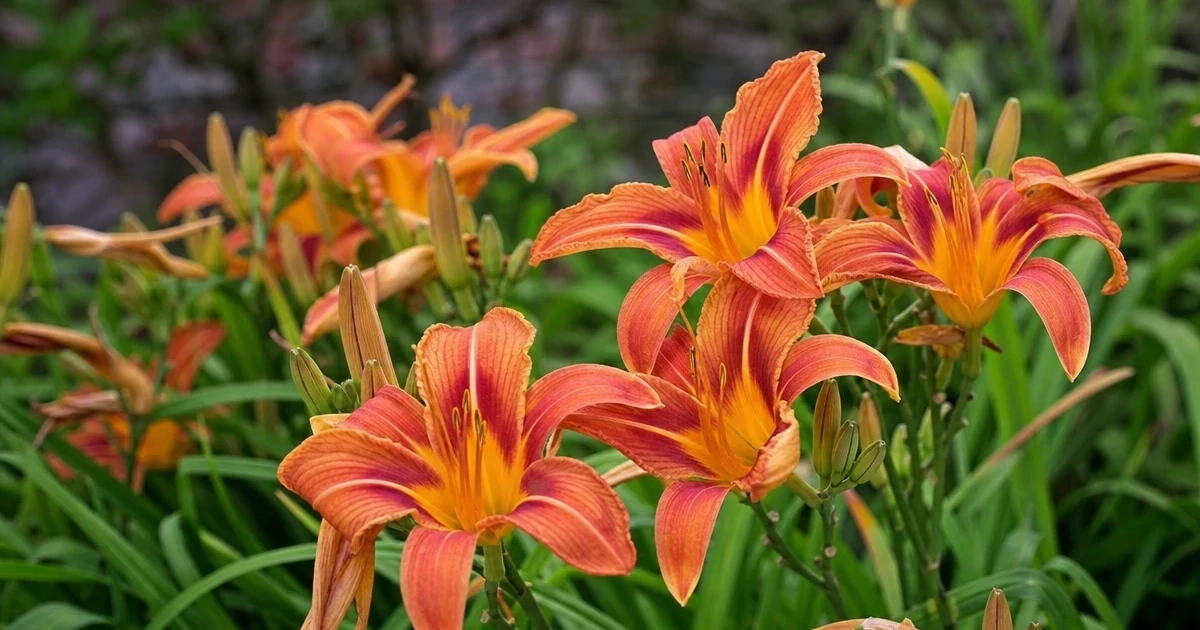
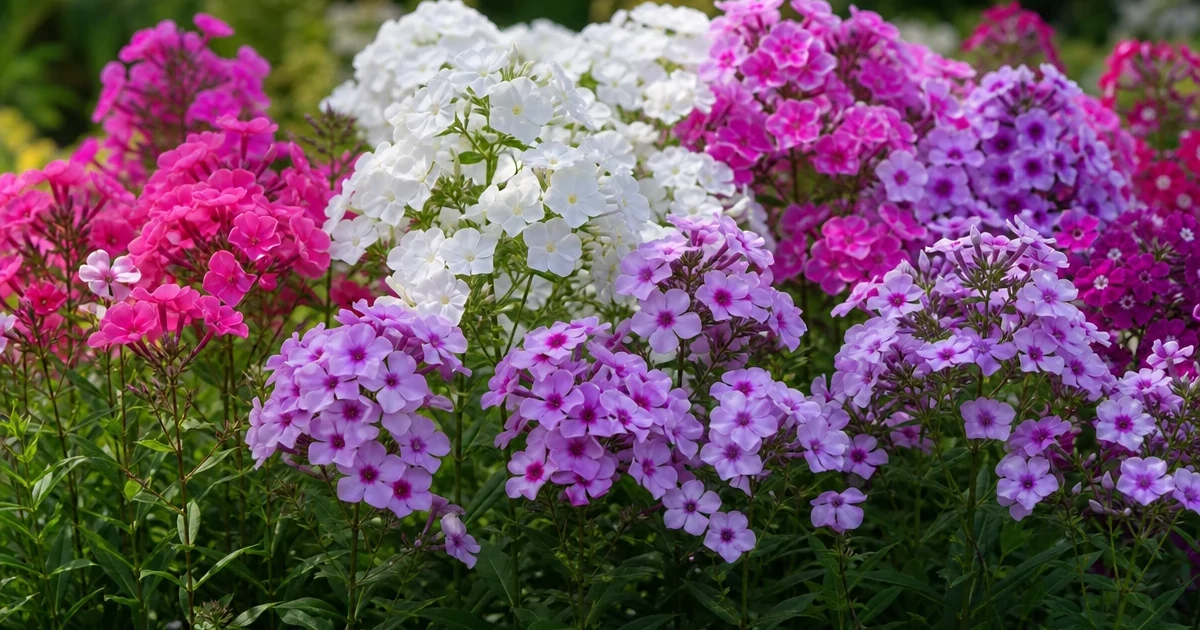
Garden phlox (perennial)
Fragrant flower heads in July–August in white, pink, lilac and crimson; sun or light shade.
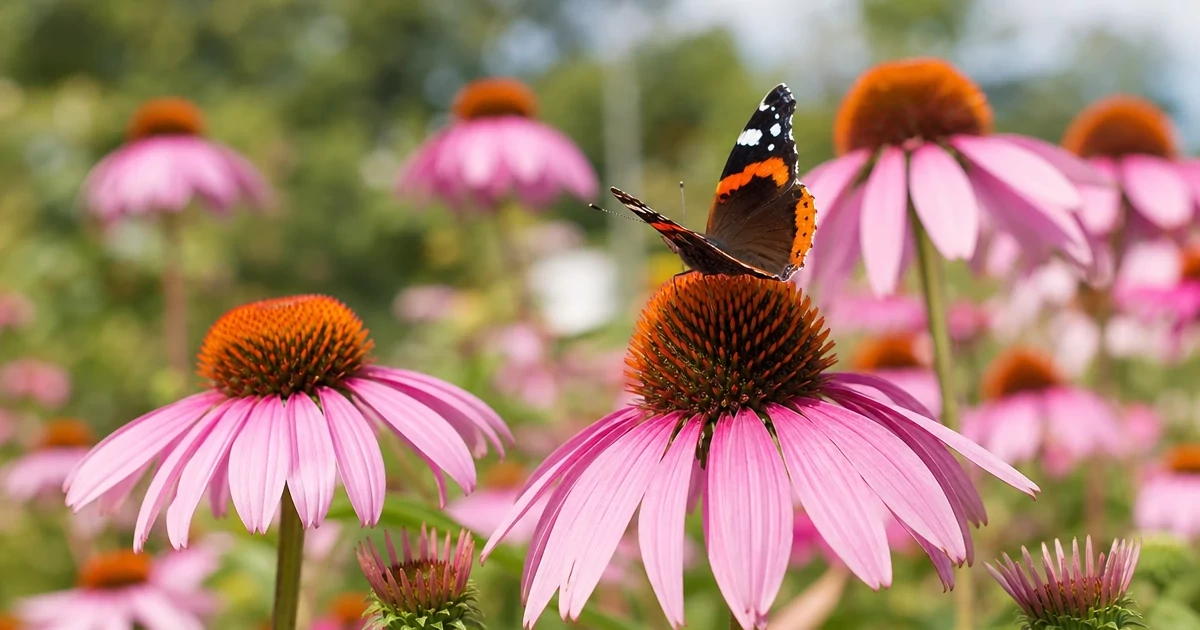
Echinacea (perennial)
Big daisies with a domed centre from July to September; drought-tolerant and loved by butterflies.
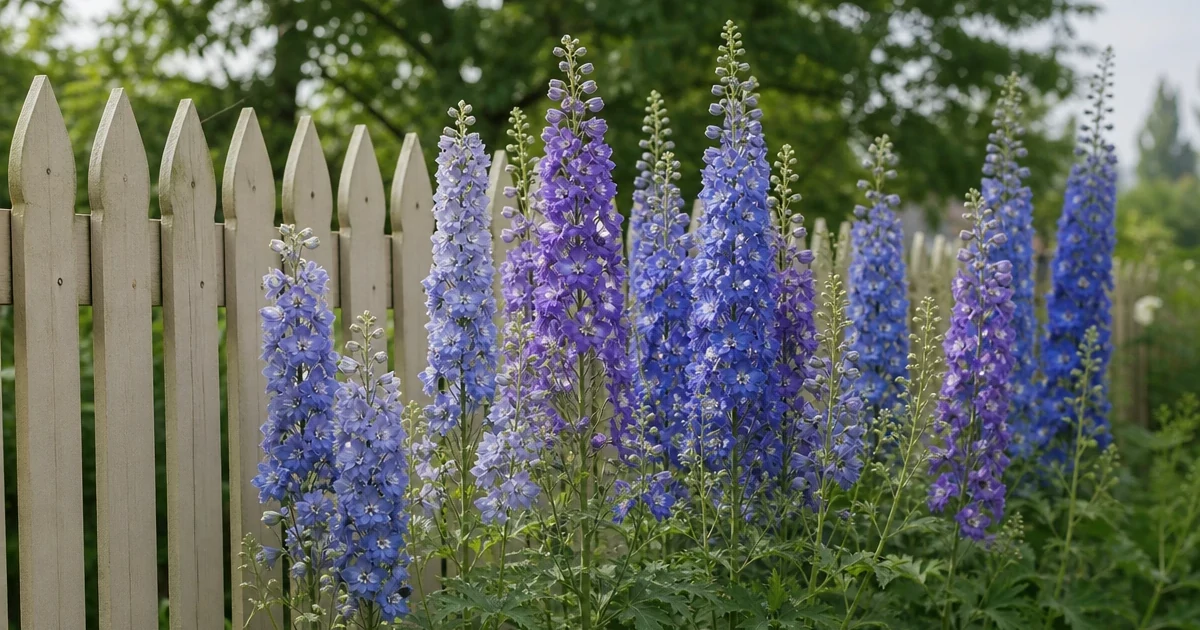
Delphinium (perennial)
Tall blue spires in June–July that need staking; see delphinium.
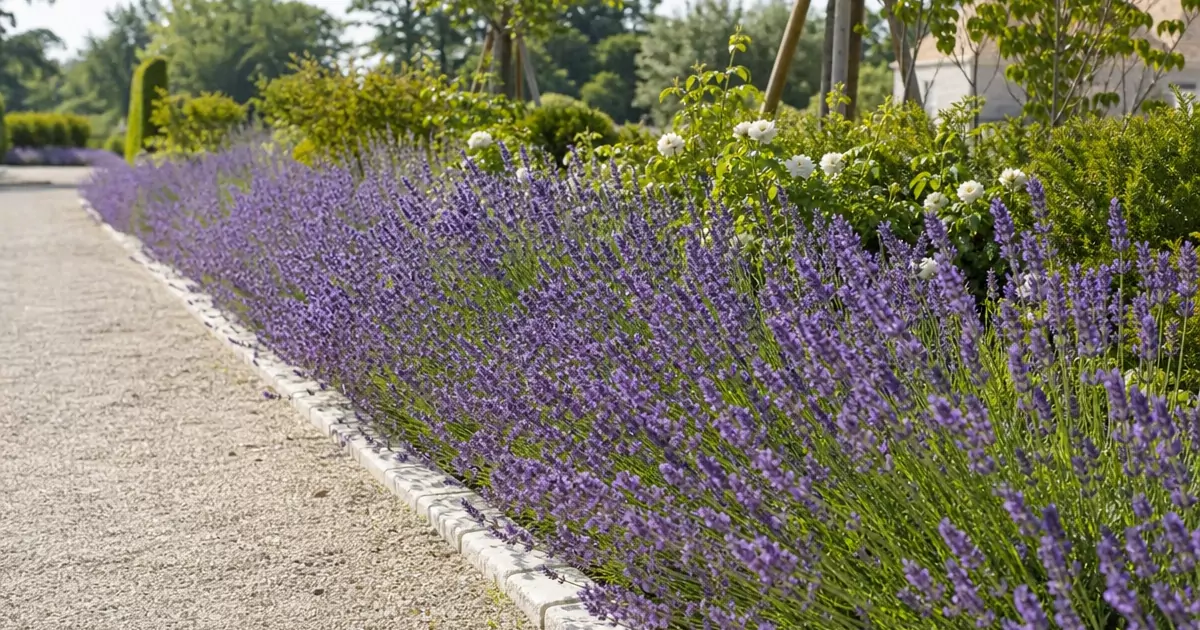
Lavender (perennial)
Fragrant purple spikes in June–July; loves sun and dry, limy soil.
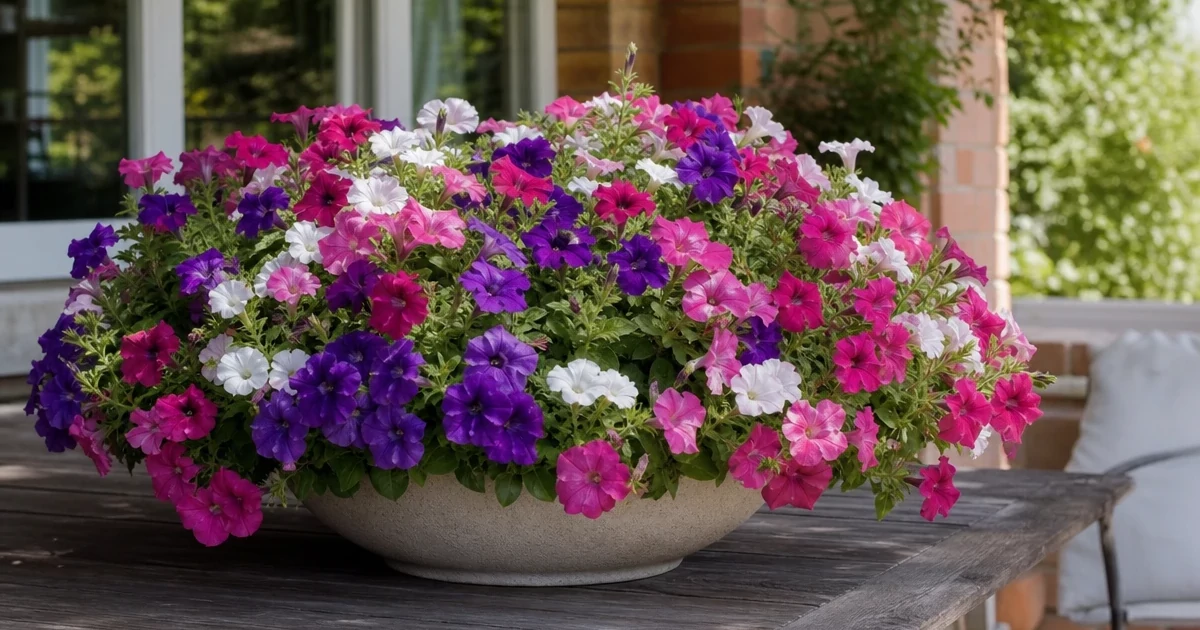
Petunia (annual)
The most popular annual for beds and balconies, flowering from May until frost.
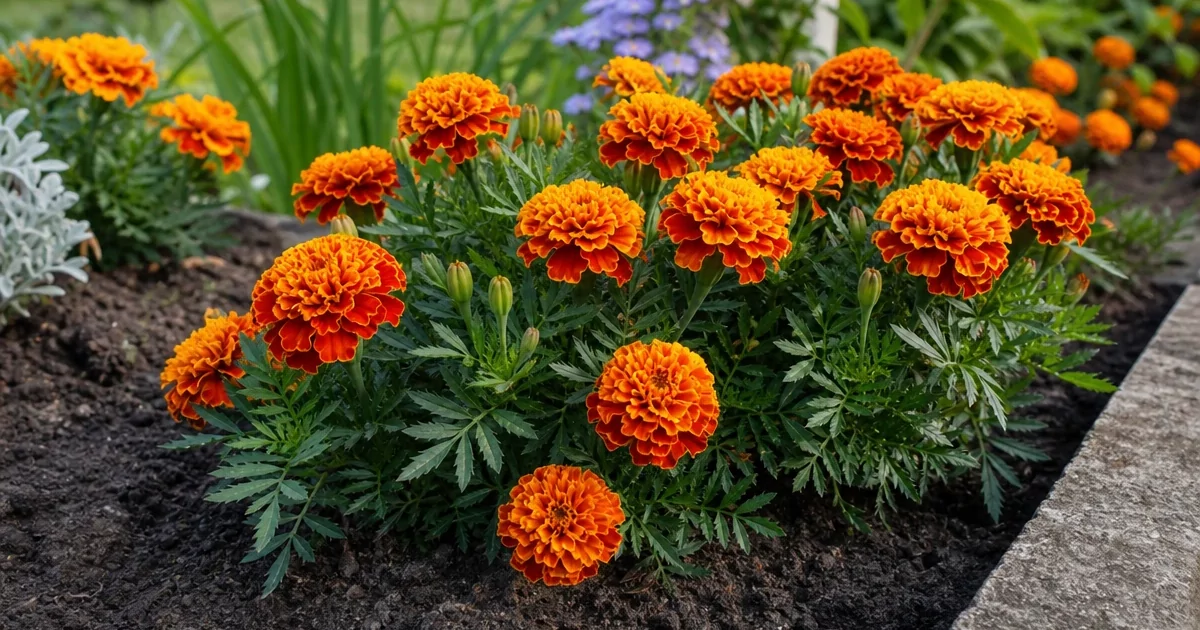
Marigold (annual)
Yellow-orange flowers from June until frost; easy and pest-repelling.
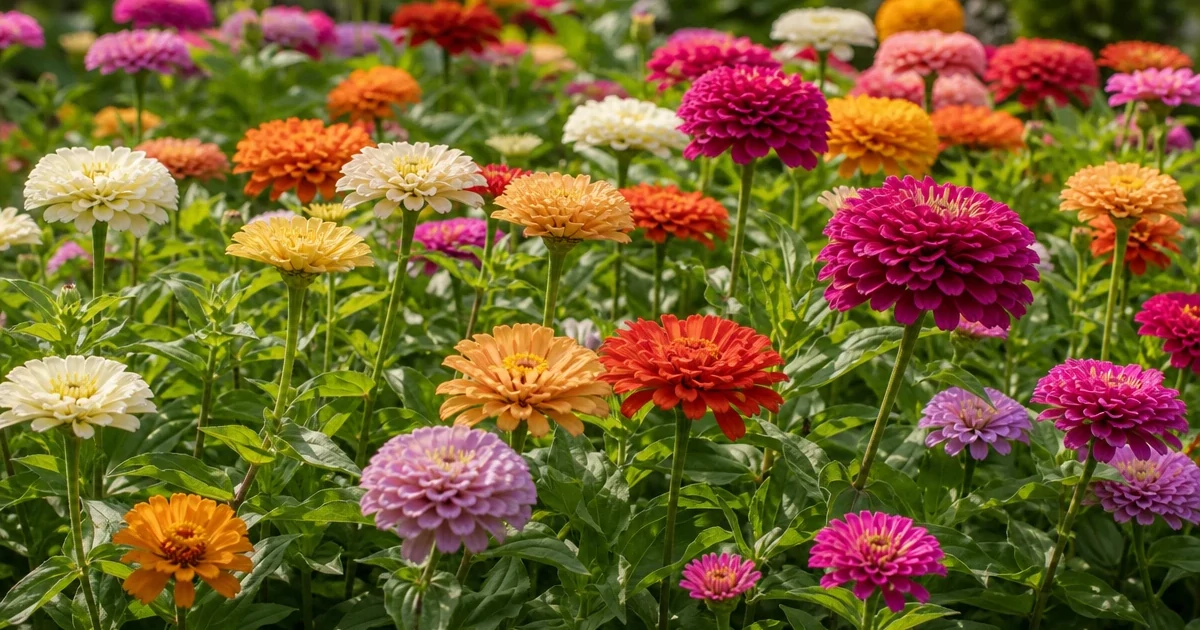
Zinnia (annual)
Bright dahlia-like flowers on sturdy stems, great for cutting; they love heat.
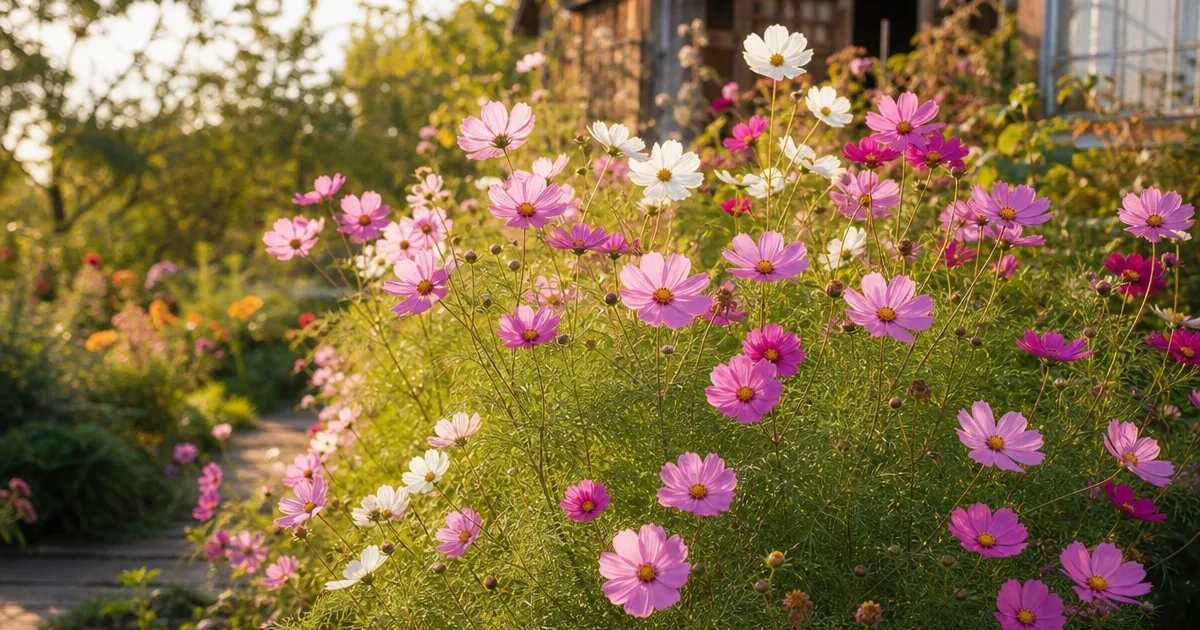
Cosmos (annual)
Airy daisies on feathery stems from July to autumn; self-seeds.
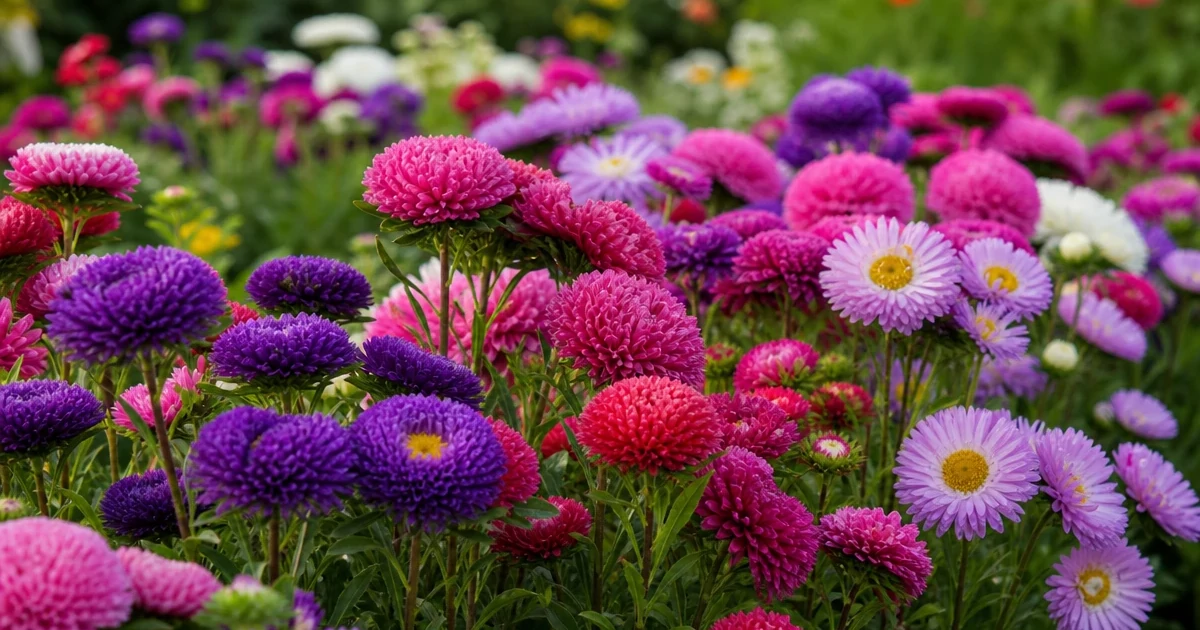
China aster (annual)
Lush autumn flowers lasting until frost; see asters.
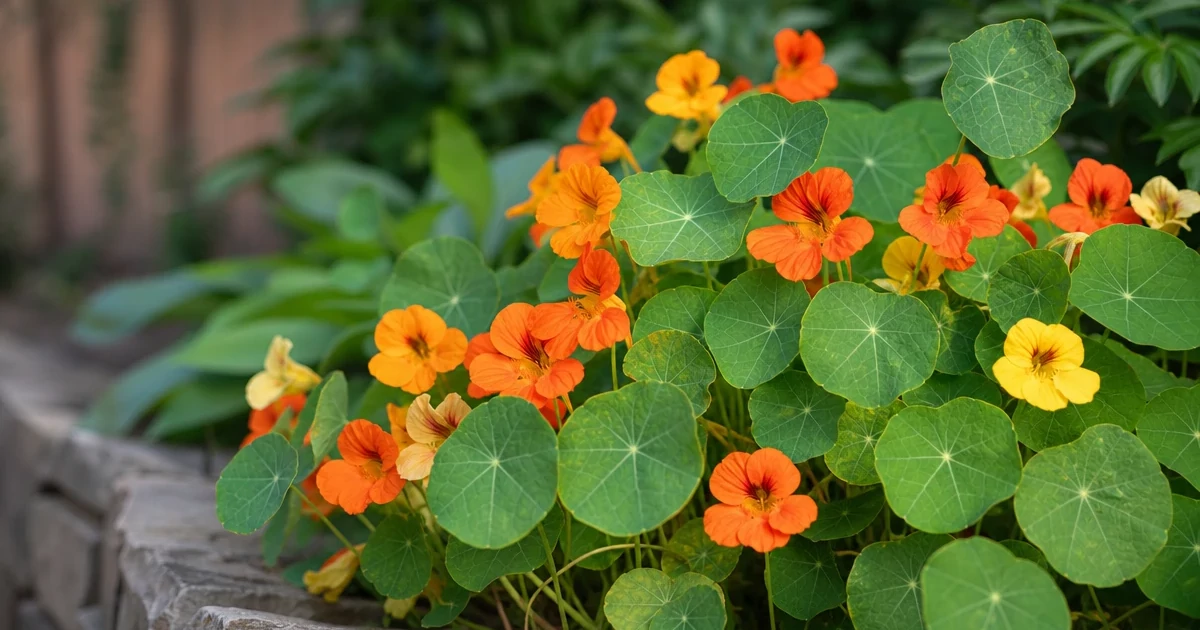
Nasturtium (annual)
Orange and yellow flowers with round leaves; flowers and leaves are edible.
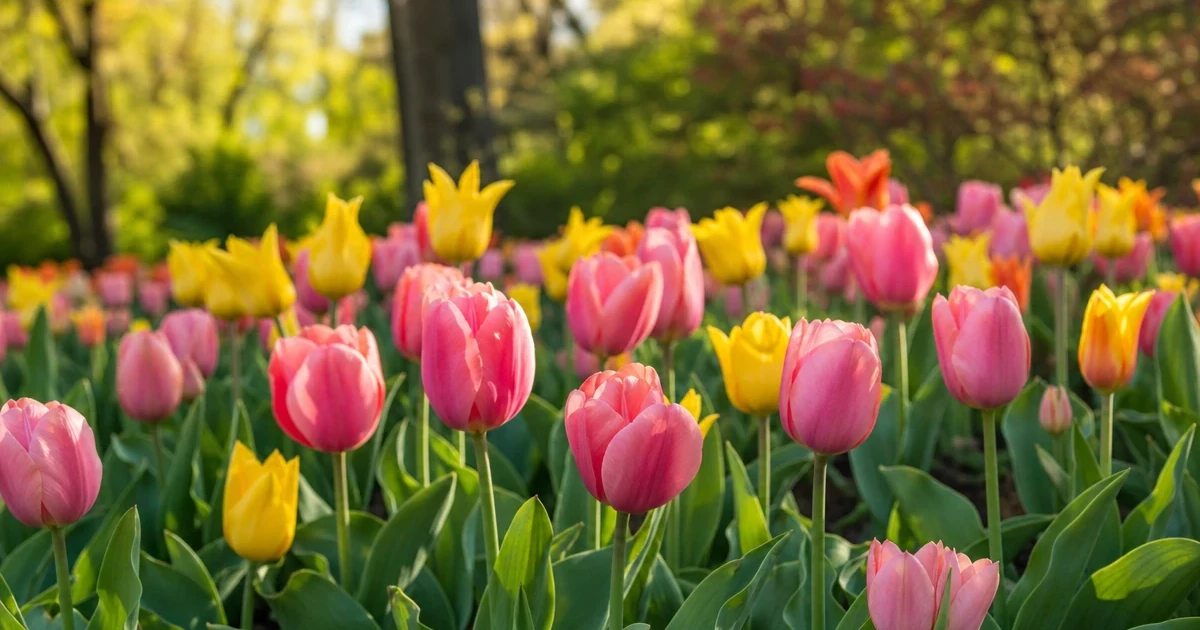
Tulip (bulb)
A spring classic, planted in autumn and flowering in April–May; see tulips.
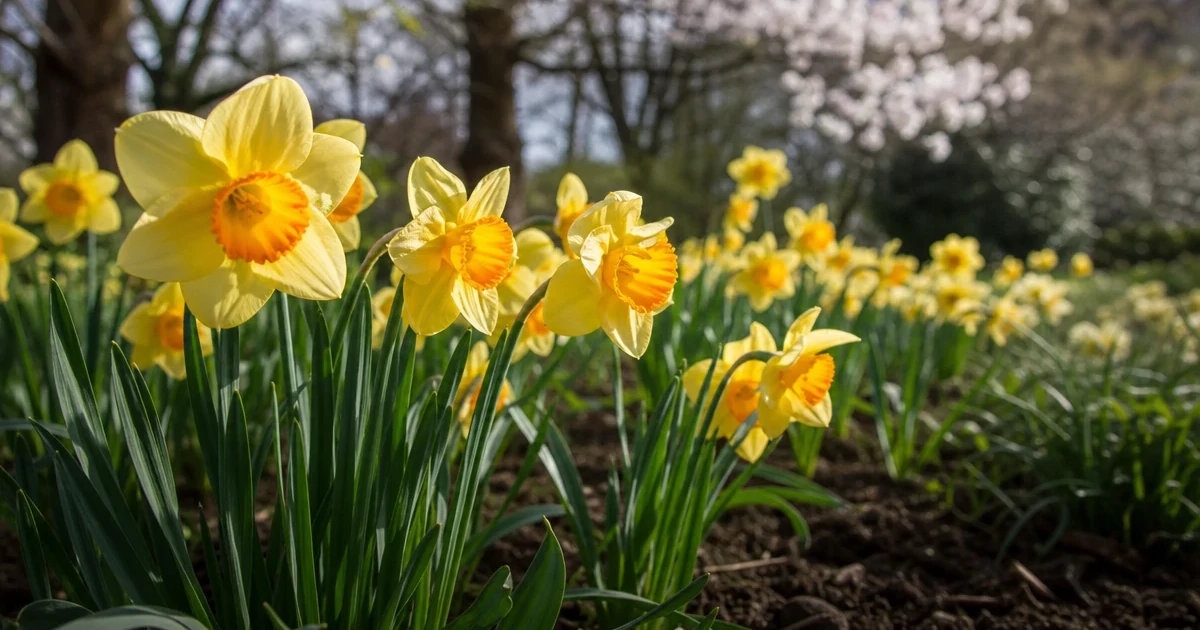
Daffodil (bulb)
Yellow and white early-spring flowers that rodents avoid and that return for years.
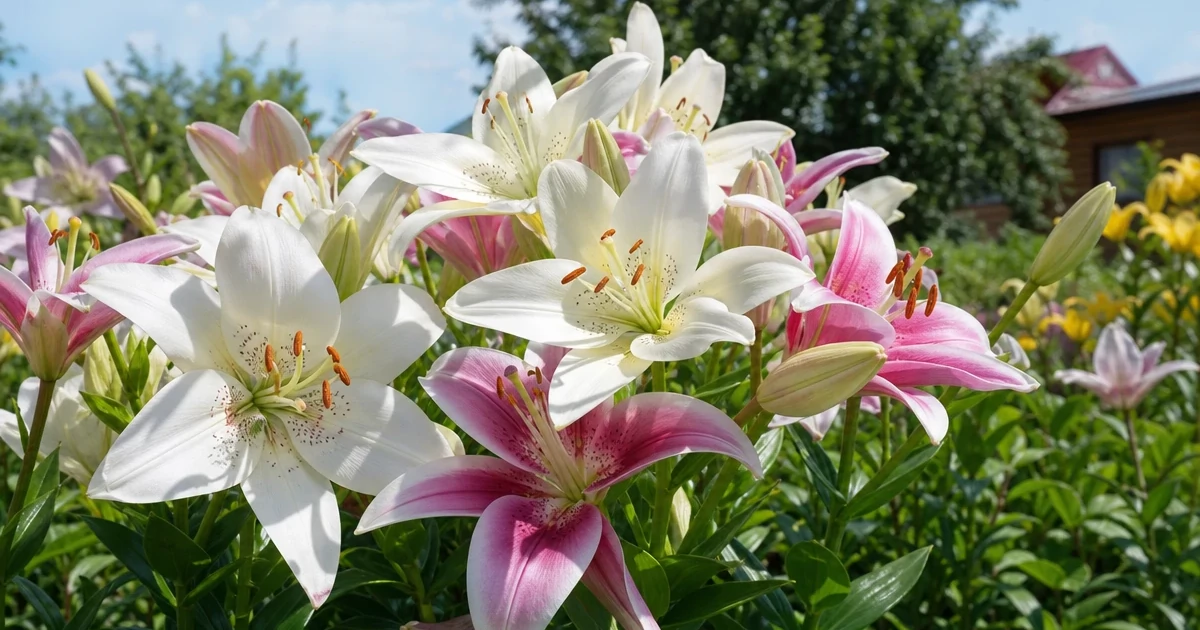
Lily (bulb)
Large fragrant flowers in June–August; see lilies.
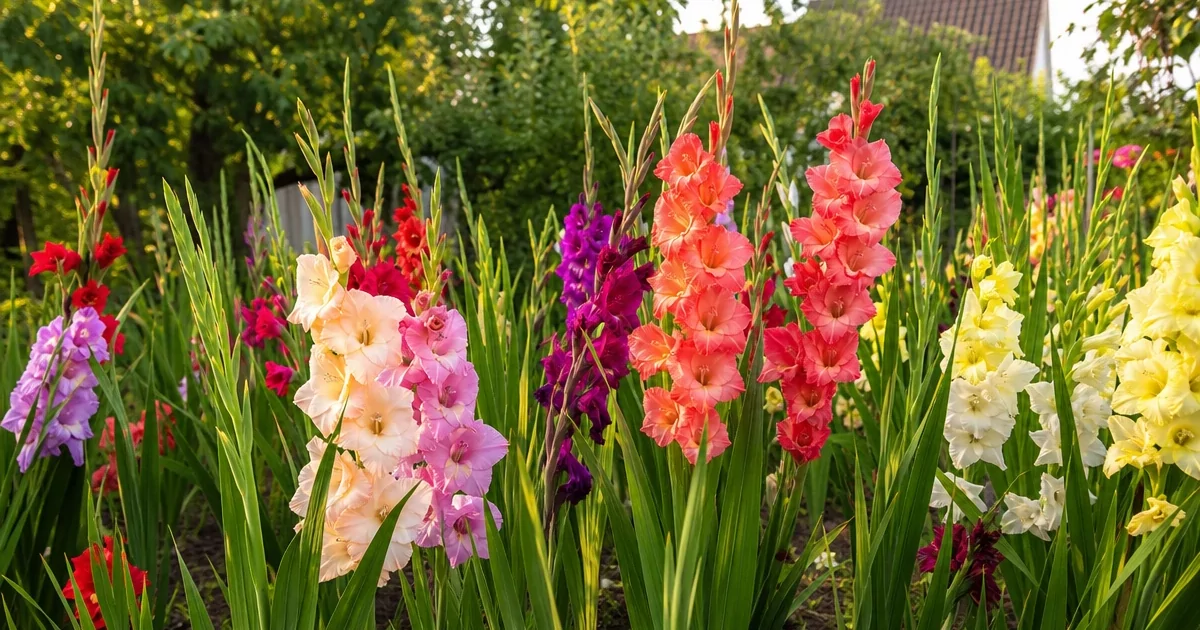
Gladiolus (corm)
Tall spikes in late summer; lift the corms for winter. See gladioli.
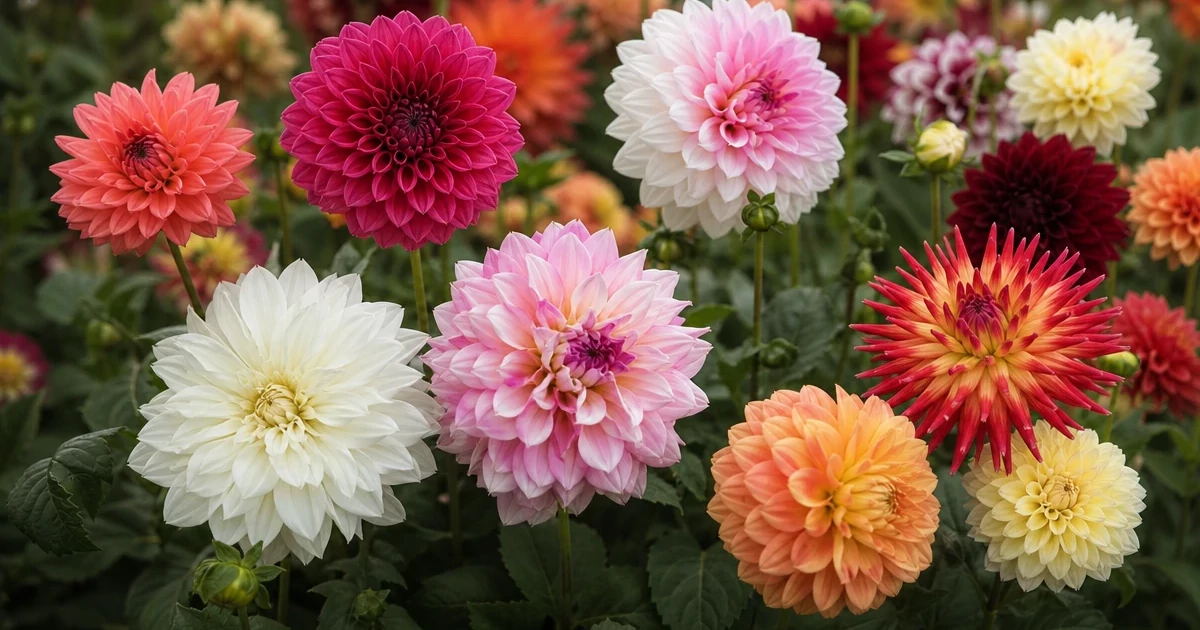
Dahlia (tuber)
Flowers from a few centimetres to dinner-plate size from August to frost; store tubers in a cellar.
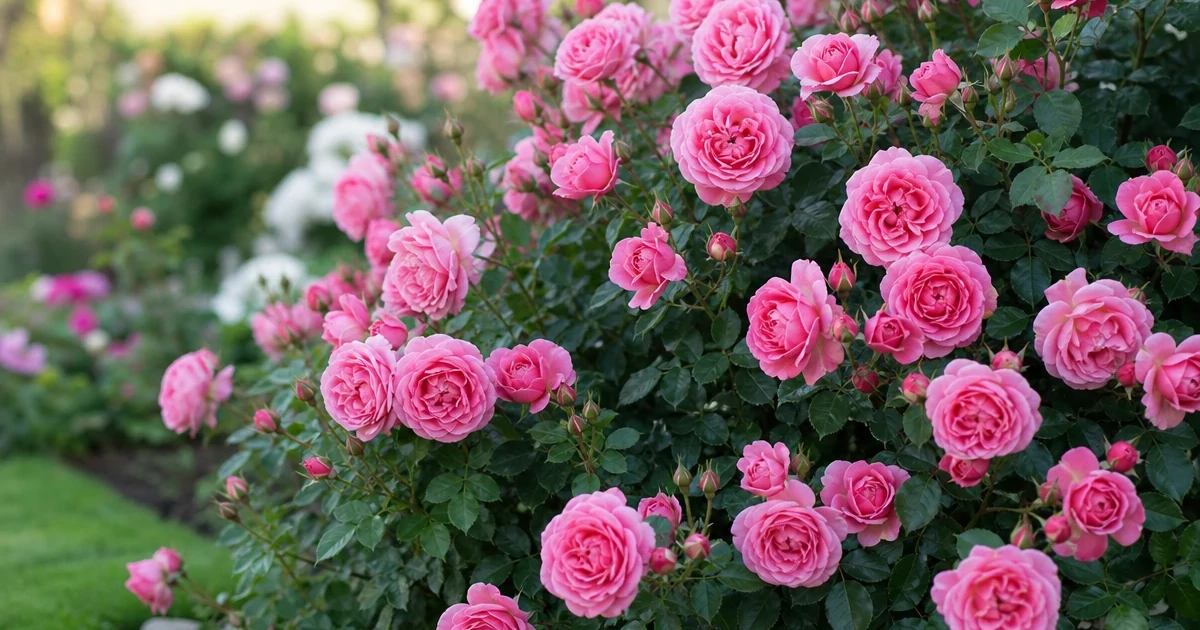
Rose (shrub)
Queen of the garden: hybrid tea, floribunda, climbing and ground-cover roses. See roses and climbing roses.
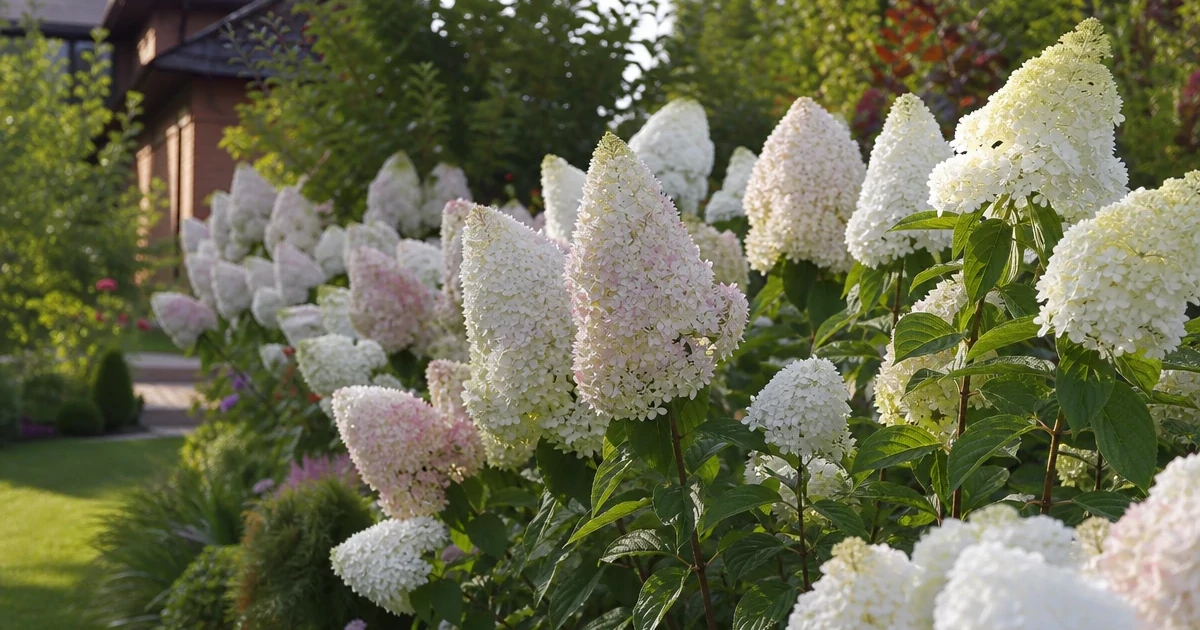
Hydrangea (shrub)
Big globes or cones of flowers from July to autumn; see hydrangea.
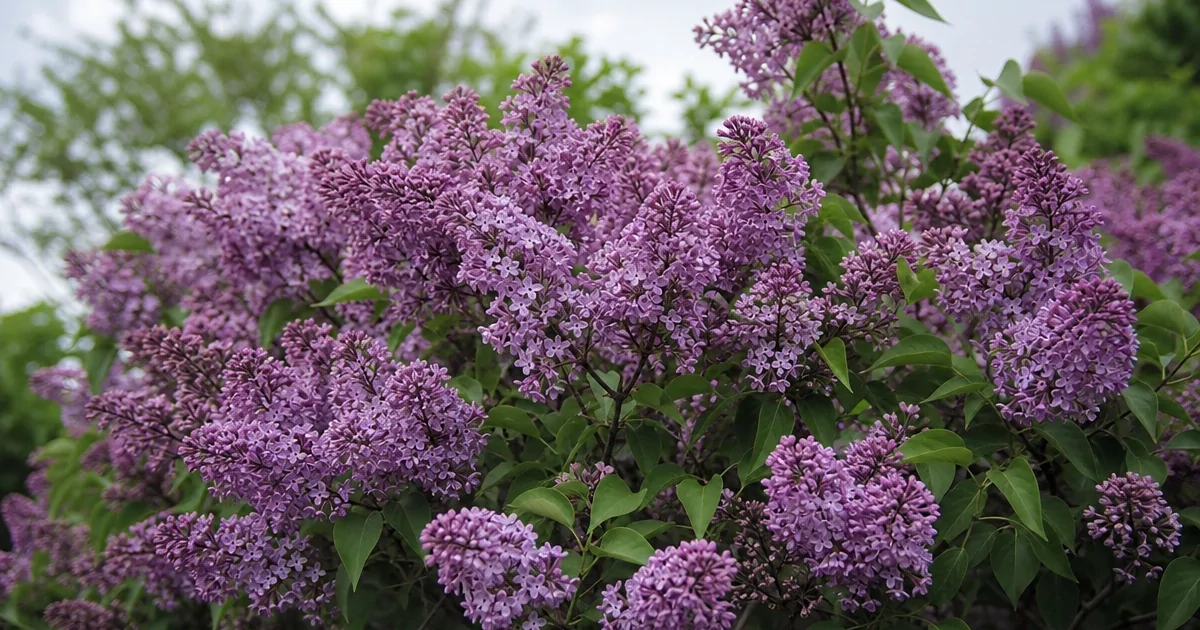
Lilac (shrub)
Fragrant clusters in May; see lilac.
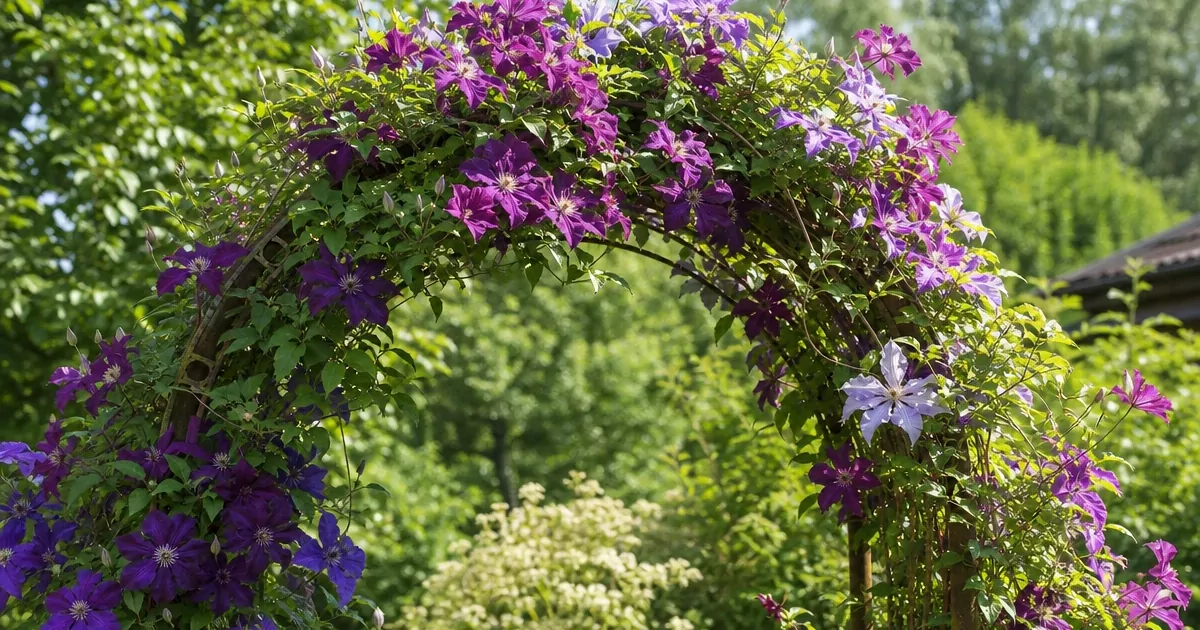
Clematis (climber)
Large starry flowers on supports from June to September; see climbing plants.
Choosing garden flowers
- For an easy bed, combine perennials as the backbone with annuals for summer-long colour.
- Mix bloom times so the bed flowers from April to October.
- Consider light: most garden flowers like sun; there’s a separate list for shade.
- Short on time? See the low-maintenance garden.
Garden flowers that last well in a vase
Not all garden flowers are equally good for cutting. If you want bouquets from your own beds, choose those that last in water:
- up to 2 weeks — asters, zinnias, chrysanthemums, alstroemerias, gladioli (buds open gradually);
- 7–10 days — peonies cut in bud, phlox, echinacea, rudbeckia, lilies;
- 5–7 days — dahlias, tulips, daffodils (keep them separate, as daffodil sap harms other flowers), delphinium;
- 2–4 days — poppies, cosmos, daylilies: each daylily flower lasts a single day, though buds on the stem open in turn.
Cut flowers early in the morning or in the evening, when stems are full of moisture, and put them straight into a bucket of water.
Garden flowers in a bouquet
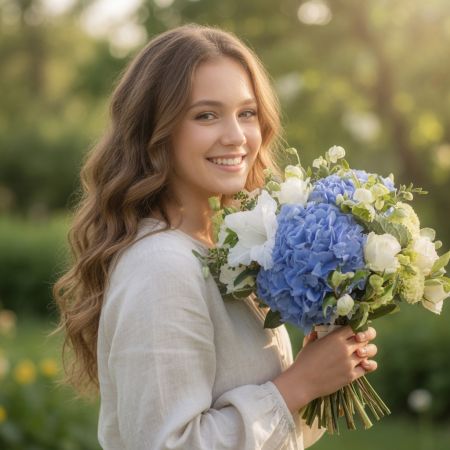
Many garden favourites, roses, hydrangeas, garden roses and gypsophila, also come as delivered bouquets.

See photos in full size
See garden roses and hydrangea bouquets.

See photos in full size
FAQ
Which garden flowers are easiest?
Daylily, echinacea, marigold, cosmos, daffodils and iris.
Which perennials bloom all summer?
Daylily, phlox, echinacea, lavender and repeat-flowering roses.
How do I get blooms from spring to autumn?
Bulbs in spring, peonies and irises in May, roses and lavender in June, phlox in summer, asters and dahlias in autumn.
What should I plant in autumn?
Tulips, daffodils, lilies and other bulbs, plus peonies.

See photos in full size
Author: Maria Svitlovir
Graduated from Taras Shevchenko National University of Kyiv, Institute of Biology and Medicine (2001). BSc in Biology, MSc in Horticulture. Writes about plants, works at a garden centre selecting and repotting plants, and contributes to plant reference guides.
-

-
-
 45th Birthday WishesRead full2026-06-24
-
 Land Forces Day WishesRead full2026-03-01
-
 Gifts for her on Valentine's DayRead full2016-01-29
-
